 AZ Ultra Adventure
On this page
- What happened to the Antelope Canyon 100?
- 2027 Antelope Canyon Ultras at a glance
- The course map
- What kind of race this is
- 2027 50 Mile aid stations
- Crew guide
- Where poles help (and where they get in the way)
- The finish line is decided here
- Insider notes from runners
- Gear and packing list
- The van idea for Page
- Antelope Canyon Ultras FAQ
- Who wrote this
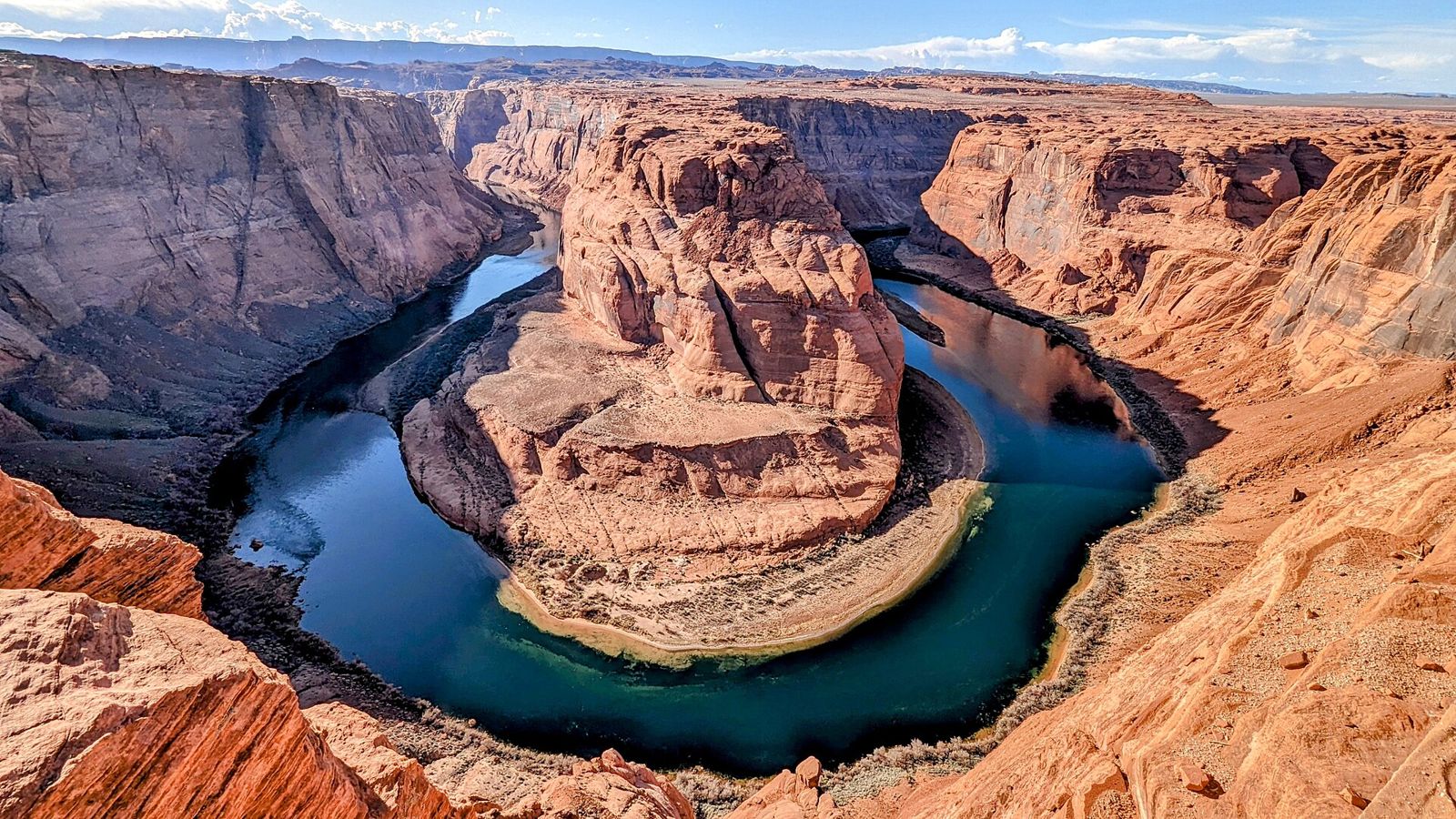
People still search for "Antelope Canyon 100." The answer to the first question is short: there is no 100-mile race at Antelope Canyon in 2027, and there wasn't one in 2026. The last 100 we could confirm ran March 9-10, 2024. The 2027 Antelope Canyon Ultras run on Saturday, March 6, 2027 in Page, Arizona, with a 50 Mile, 55K, 30K and half marathon.
That doesn't make this guide any less useful. The 2027 50 Mile runs on a largely new route that goes deeper into the Navajo backcountry than the old course did. It adds White Cone, a canyon called Ligai Si Anii, the Rams Head ladders and cables, and a via ferrata, while keeping the sand, the slot canyons and the Horseshoe Bend rim. For a lot of runners it's a harder and stranger day than the old 50. And for anyone who came here looking for the 100, there's a section on how the old race worked and where to find a 100 from the same organizer.
What happened to the Antelope Canyon 100?
Antelope Canyon was one of Matt Gunn's Ultra Adventures races, the family of desert ultras that started with the Zion 100 in 2012. For most of the last decade it was sold under the Vacation Races brand. In 2026 Ultra Adventures came under Aravaipa Running, the Arizona company behind Javelina, Cocodona and Black Canyon. Today the old ultraadventures.com pages redirect to Aravaipa's Ultra Adventures page.
Along the way, the 100 disappeared:
- 2024: the last 100-mile edition we could confirm in results, won by Drew Francis (20:23:03) and Ashley Paulson (23:23:30), according to the UTMB Index results.
- 2025: listings showed a 50 Mile, 70K, 50K, 30K and half. The UTMB Index kept a 2025 100-mile page with no results, which suggests it was listed and then not held. We found no public explanation.
- 2026 and 2027: the 50 Mile is the longest distance.
We found no official statement on whether the 100 will come back. If you want a 100 from the same organizer, the Zion 100 runs April 10-11, 2027, and the Bryce 100 runs September 18-19, 2027. Johnathon ran the Zion 100 in 2024, so if Antelope was going to be your first desert 100, Zion is the closest substitute.
2027 Antelope Canyon Ultras at a glance
| Date | Saturday, March 6, 2027 |
| Bib pickup | Friday, March 5, 12-5 PM, Page Sports Complex |
| Start / finish | Page Sports Complex, 477 Haul Rd, Page, AZ |
| Start times (MST) | 50 Mile and 55K: 5:00 AM. 30K: 7:00 AM. Half: 8:00 AM |
| 50 Mile | About 51.2-51.7 mi (the official page lists both), about 5,019 ft of gain, 19-hour limit |
| 55K | About 34 mi, about 3,413 ft, 13 hours |
| 30K | About 19.5 mi, about 1,799 ft, 8 hours |
| Half | 13.2 mi, about 1,082 ft, 6 hours |
| 50 Mile fee | $285 / $310 / $345 / $360 by deadline (UltraSignup showed slightly different tiers when we checked) |
| Pacers | 50 Mile only, one at a time, pacer bib required |
| Crew | Only at listed aid stations. Red Mesa (mile 31.6) is the only crew-access point listed so far |
| Drop bags | 50 Mile and 55K. Locations "to be shared later" |
| Poles | Allowed |
| Cupless | Bring your own cup. Hot cups provided for soup and coffee |
| Registration | UltraSignup, closes March 1 |
| Official page | aravaiparunning.com/antelope |
Two notes before you plan around those numbers. First, Aravaipa hadn't published the 2027 cutoffs or drop bag stations when we checked, and the page's cutoff example implies a 20-hour window that contradicts the 19-hour limit. Read the final runner guide. Second, Antelope Canyon isn't on the current Western States qualifier list. If you're chasing a qualifier, check before you register. UTMB Index status for 2027 is also unconfirmed.
The course map
Aravaipa publishes every distance on CalTopo:
The other distances: 55K, 30K, Half. An offline course map on your phone or watch is required gear, so download it and test it in airplane mode before you leave home. Markers can be hard to see on bare slickrock, and runners in past years lost time hunting for them.
What kind of race this is
Antelope Canyon isn't a mountain race. The high point of the 50 is only 5,682 feet, and 5,000 feet of gain over 51 miles sounds mellow. It isn't. Three things make it hard:
- Sand. It's the defining feature, and reviewers put the current 50 at somewhere between a third and a half sand. The old course was worse: one 2015 report counted 35 sandy miles in the first 40. Deep sand turns flat miles into hiking, burns your calves, and fills your shoes. Rain the day before firms it up. Wind turns it into a sandblaster.
- Obstacles. The 2027 route has ladders in Deer Canyon, ladders and cables at Rams Head, and the Antelope Ridge via ferrata. Past runners described the course as an obstacle race. Obstacles mean queues: on the old course one runner waited 36 minutes at the Waterholes ladder in 2023.
- March weather. Mornings in the 40s, historical lows between 32 and 41°F, and afternoon highs of 48-62°F. Then there's the wildcard. In 2023 a storm of rain, hail and wind hit after about mile 30, the Page Rim Trail turned to sticky mud, and more than 100 runners in the 50 reportedly dropped.
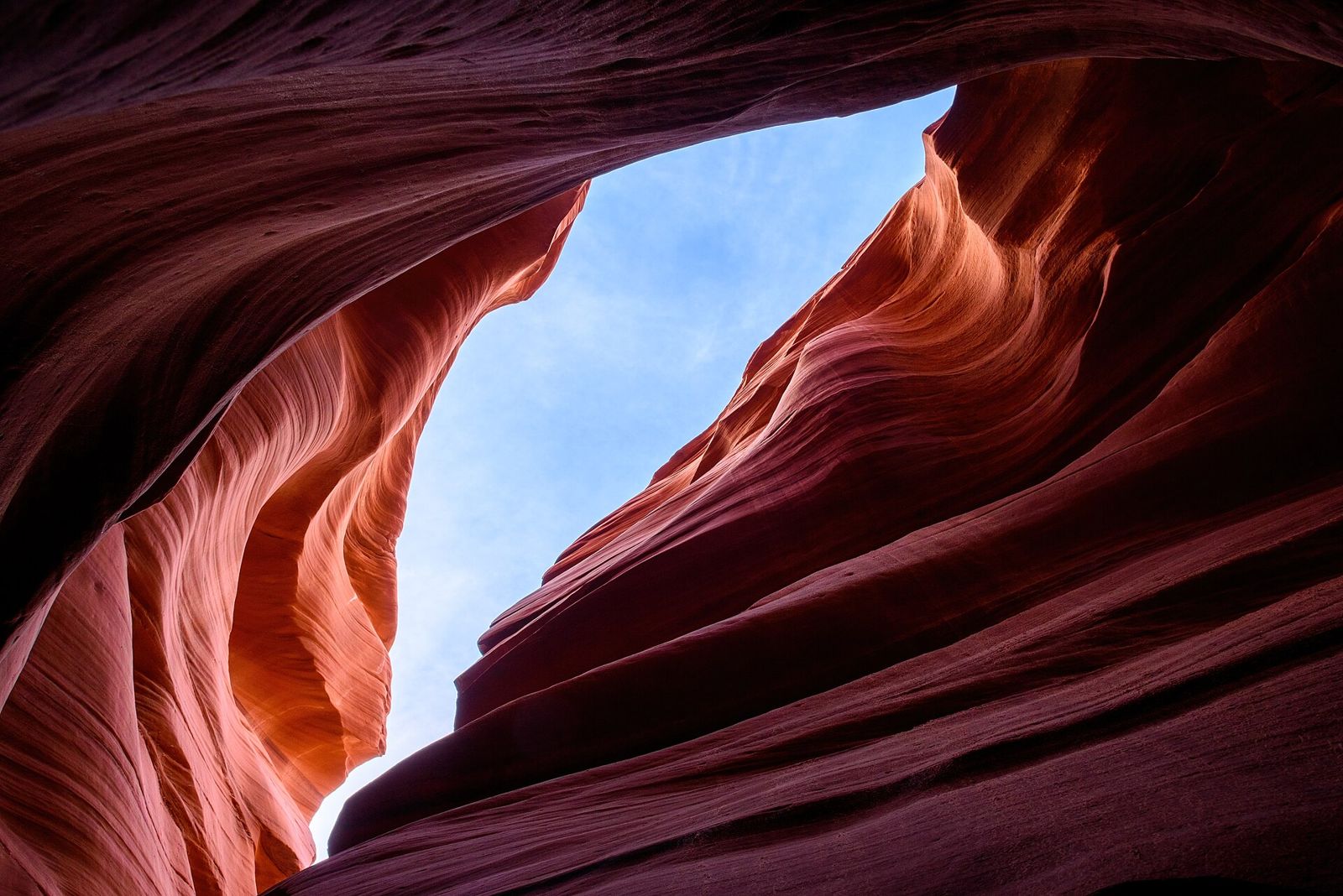
There's also the reason people sign up: you get to run through slot canyons and Navajo land that the public can only enter with a paid, guided tour. Older Ultra Adventures listings said more than half of the course crosses Navajo land, with Navajo guides at sacred sites on race day. The 2027 page doesn't spell out photo or conduct rules for the canyons. Treat it like a guided tour: stay on the marked route, don't climb on formations, and follow guides' and volunteers' instructions. You can't preview these sections on your own, and crews can't drive into them.
2027 50 Mile aid stations
From the official 2027 page. Crew access other than Red Mesa wasn't listed when we checked, and drop bag and pacer locations were still "coming soon." Treat this table as the skeleton and fill in the final details from the runner guide.
| Aid station | Mile | To next | Crew | Drop bag | Pacer | Cutoff | What comes next |
|---|---|---|---|---|---|---|---|
| Start: Page Sports Complex | 0.0 | 6.2 | Start only | Leave by 7 PM Fri | - | 5:00 AM start | Down off Red Mesa, sandy roads, Owl Canyon, a dryfall bypass scramble |
| Antelope Canyon | 6.2 | 7.0 | Not listed | TBA | No | TBA | Through Antelope Canyon, Sand Dune Canyon, scrambles and ladders |
| Deer Canyon | 13.2 | 8.4 | Not listed | TBA | No | TBA | Longest gap (8.4 mi): jeep roads, then the White Cone climb |
| Ligai Si Anii | 21.6 | 7.9 | Not listed | TBA | No | TBA | Marie's Canyon, Rams Head ladders and cables, Mountain Sheep Canyon, mesa above the via ferrata |
| Antelope Ridge | 29.5 | 2.1 | Not listed | TBA | No | TBA | Via ferrata descent back toward Red Mesa |
| Red Mesa (crew access) | 31.6 | 5.0 | Yes | TBA | Likely here (unconfirmed) | TBA | Coppermine Road crossing, past the Page "P," to Horseshoe Bend |
| Horseshoe | 36.6 | 7.6 | Not listed | TBA | TBA | TBA | Horseshoe Bend overlook, then about 6 mi on the Vermillion View Trail along Marble Canyon |
| Lake Powell | 44.2 | 7.0 | Not listed | TBA | TBA | TBA | Highway crossing near Glen Canyon Dam, clockwise on the Page Rim Trail |
| Finish: Page Sports Complex | 51.2 | - | Yes | - | - | 19 hours |
The 55K shares the first five stations and finishes at mile 33.6 after Antelope Ridge. Crew is allowed there, but pacers aren't. The 30K goes Start, Horseshoe (4.7), Lake Powell (12.3), Finish (19.2), and the half goes Start, Lake Powell (4.1), Page Rim (9.3), Finish (13.2).
What the table tells you: the first 31.6 miles are self-supported between aid stations. You go through the slots, the White Cone climb and the Rams Head obstacles without seeing your crew. Red Mesa is where the race splits into two halves. Everything before it is technical, sandy backcountry. Everything after it is runnable rim trail with big views, which is where a strong runner gains time and a cooked one gets passed.
Drop bags: for the 50 and 55K, label them with your name, big bib number, aid station and distance, and drop them near the start by 7 PM the night before. Size limits run from a gallon zip-lock to a shoebox, or a small duffel at stations you pass more than once. Grocery and garbage bags aren't allowed. Bags come back to the finish about 90 minutes after each station closes, and mailing a bag home costs $35.
Crew guide
Crewing Antelope Canyon is the opposite of crewing Cocodona. Everything is close. Page is a small town on a mesa, and the start, the Page Rim Trail, the Lake Powell area and Horseshoe Bend all sit within roughly 5-10 minutes of each other on paved roads (US-89, Haul Road, Coppermine Road). That's our estimate from the map, not a race figure. What makes crewing tricky is how little access there is, not how far you drive.
- Red Mesa (mile 31.6) is the one listed crew stop. The exact location and road type weren't published when we checked. Red Mesa is the mesa the course leaves at the start, so expect short road access near town, but wait for the runner guide before you assume. If it turns out to be dirt, go slowly and park only where volunteers direct you.
- Crew need a crew bib, and the runner is responsible for their crew's behavior. Aravaipa can disqualify a runner for crew misconduct. Spectators are only allowed at the start and finish.
- No crew in the slots. The canyon sections are on Navajo land with no public vehicle access. If a crew member wants to see Antelope Canyon, book a guided tour on a different day.
- Timing. With a 5:00 AM start, a mid-pack 50-mile runner reaches Red Mesa sometime around midday to early afternoon, and the back of the pack later. Track your runner and give yourself a buffer. Leaving town 30 minutes early costs nothing.
- Horseshoe Bend parking is a paid city lot, and on a March Saturday it's very busy. Even if Horseshoe isn't a crew stop, expect tourist traffic on US-89 in the afternoon.
- Cell signal is generally fine in town and on the rim, and spotty to absent down in the canyons. Download the course and the tracking page before the start.
- The time zone trap (not in 2027, but worth knowing). Page runs on Arizona time (MST, no daylight saving), and the race clock is MST. The Navajo Nation, which surrounds Page, does observe daylight saving. In 2027 it doesn't matter, because daylight saving starts March 14, after race weekend. In 2023 and 2024, though, the old 100 ran straight through the switch overnight, and phones near Navajo towers could jump an hour ahead. Set crew phones to a fixed "Phoenix" time zone instead of automatic, and the problem goes away.
- Lodging: Page has plenty of hotels, motels and campgrounds, but race weekend lands in tourist season and fills early. Book when you register.
Where poles help (and where they get in the way)
Poles are allowed, and finishers have found them useful on the sand climbs and steep slickrock. On this course they're also a liability in some spots:
- Use them: on the long sandy road and wash miles out of the start, on the White Cone climb after Deer Canyon, and on loose climbs out of the canyons. In deep sand, poles keep your rhythm going when your feet don't.
- Stow them: on ladders, cables, the via ferrata and in narrow slots. You need both hands, and swinging carbon in a two-foot-wide canyon annoys everyone behind you. Practice collapsing and stowing your poles in your vest in under 20 seconds, because you'll do it several times.
- Drop them at Red Mesa if your legs allow. After mile 31.6, the Horseshoe, Vermillion View and Page Rim sections are runnable trail where poles mostly get in the way. Hand them to your crew there.
The finish line is decided here
On the old 100 there was a clear answer: the Page Rim night loops. After the shared 50-mile front half, 100-mile runners did about six laps of the roughly 10-mile Page Rim Trail, each one passing the crew area. Finish rates were brutal for a "flat" 100: about 31 of 98 starters in 2022, and roughly a third in the storm year of 2023. One 2022 runner described dropping at about mile 73, around 3 AM, three loops in. A cold, repetitive loop that goes past your warm car is a hard place to keep going.
On the 2027 50, the decisions move to two places:
- Deer Canyon to Ligai Si Anii (miles 13.2-21.6). This is the longest gap, it includes the White Cone climb, and it comes after 13 miles of sand and slots. Runners who went out too hard in the sand to beat early queues pay for it here. Fill everything at Deer Canyon and eat before the climb.
- Red Mesa (mile 31.6). It's the only crew stop, the first chair and warm car of the day, and it sits after the most technical miles. It's also the obvious place to quit. Get out of Red Mesa with food in your stomach and a plan, and the last 20 miles are the most runnable and most scenic of the day. Horseshoe Bend at golden hour is a pretty good reason not to sit down.
The point after which finishing becomes very likely is Horseshoe (mile 36.6). From there the course is mostly runnable rim trail and you can see Page. The main risks are weather and the dark. The 19-hour limit has room in it, but the early cutoffs (90 minutes for the first 6.2 miles on the old 100) caught runners who bunched up in the sand and the first slots.
How not to DNF at Antelope Canyon
- Gaiters, gaiters, gaiters. It's the most repeated tip in every report. Full-coverage trail gaiters stop the sand that otherwise sands your feet raw by mile 20. Practice fastening them with cold hands, since the start is in the 40s. If you skip them, plan to empty your shoes at every aid station.
- Train on sand. Find a wash, a beach or a volleyball court and run in it. Strengthen your ankles and calves. Arizona's dry washes, like the ones in the Phoenix-area mountain parks, are the best local training you'll get.
- Start efficient, not fast. Get into a good position before the first slots and ladders, then settle. Don't burn matches passing in deep sand.
- Expect queues and use them. A ladder backup is a chance to eat, drink and breathe, not something to be angry about.
- Pack for 30°F and for hail. Gloves (real ones, not thin work gloves), a light puffy and a waterproof shell. In 2023 the weather turned mid-race, and the cold after finishing hit people hard. Warm-up bags are shuttled from the start to the finish, so use that.
- Carry your own food. One 2022 report criticized the aid station food. Bring the staples your stomach trusts, and a cup, since the race is cupless.
- Keep the Red Mesa stop short. One 2022 runner lost over 30 minutes at a crew stop. Crews should have bottles mixed, food out and the chair folded unless it's really needed.
- Look up at Horseshoe. You paid for the view. Many runners say the last third is when the race finally feels like a celebration.
Insider notes from runners
We searched for Antelope Canyon threads on r/ultrarunning and r/trailrunning and couldn't access Reddit discussion to verify it. The best race-specific knowledge we found lives in finisher blogs and reviews. Paraphrased:
- Sand improves with rain. A wet week before the race firms the sand, and a dry, windy week makes it miserable. Check the forecast and choose shoes and gaiters accordingly (reviews and race reports).
- Slots are darker than you expect. One 2022 runner said one slot nearly needed a headlamp at midday, and another had water to stem over. Keep your headlamp handy, not buried in your pack.
- Gaiters and roomy toe boxes prevent blisters. A 2022 100-mile finisher credited wide trail shoes plus full gaiters for coming out with no blisters. A 2015 finisher used Vaseline against sand abrasion.
- The wind is real. In 2020 the start was so windy that sand blew in runners' faces. Sunglasses help, and a buff helps more.
- Red rock trail is hard to mark. Several reports mention losing time looking for markers on slickrock. Follow the GPS track.
- It's a "destination race" in the best sense. Reviewers like the small-town feel, the Lake Powell and Horseshoe views, and getting into canyons that usually need a tour.
Useful reading: a 2023 storm-year report, a 2025 race report, a 2022 100-mile recap for the old format, and the RaceRaves reviews.
Gear and packing list
Required: headlamp, hydration system, an offline course map on a device, and your bib on the front. Recommended by the race: sun protection, a buff, layers, trail shoes and gaiters. Bring a cup. The picks that matter most here:
- Full-coverage trail gaiters. The most important item on this list. Trail running gaiters
- Trail shoes with a roomy toe box and a mesh that doesn't let sand in. Wide toe box trail running shoes
- Collapsible poles that stow fast for the ladders and the via ferrata. Folding carbon trail poles
- A vest with room for layers, since you carry everything for 31 miles. Trail running vest 8-12L
- Toe socks to cut down on sand friction between toes. Injinji trail toe socks
- Anti-chafe for feet and everywhere else. Squirrel's Nut Butter
- Warm gloves and a light puffy for the start and any weather turn. Lightweight running gloves
- A buff and sunglasses for wind and blowing sand. Neck gaiter buff
- A collapsible cup, since the race is cupless. Collapsible running cup
- For the crew at Red Mesa: a camp chair you can say no to, and a small cooler. Folding camp chair
The van idea for Page
Page is roughly four and a half hours' drive from Phoenix and sits in the middle of the most popular tourist corridor in northern Arizona, so race-weekend rooms go fast. A crew van makes this weekend simple: sleep near the start the night before, drive to Red Mesa with cold drinks and hot soup, then pick your runner up at the finish in the March cold with a bed, warm layers and a heater waiting. Make it a long weekend with the Horseshoe overlook and a guided slot canyon tour the next day.
AZ Ultra Vans is collecting reservation interest now. The reservation card in the crew section above isn't a booking or a promise of availability. It tells us which race weekends to plan vans around.
Antelope Canyon Ultras FAQ
Is there an Antelope Canyon 100 in 2027? No. The 2027 Antelope Canyon Ultras on March 6 offer a 50 Mile, 55K, 30K and half marathon. The last confirmed 100-mile edition was March 2024. The organizer's nearest 100s are the Zion 100 (April 2027) and the Bryce 100 (September 2027).
How much sand is on the Antelope Canyon course? A lot. Reviewers estimate a third to half of the 50 Mile is sand, mostly in the first half. Full gaiters and sand training are the top recommendations from finishers.
Can crews meet runners at Antelope Canyon? Only at listed crew-access aid stations. For the 2027 50 Mile, Red Mesa at mile 31.6 is the only one listed so far. Crews need a crew bib, and spectators are limited to the start and finish.
Are trekking poles allowed at Antelope Canyon Ultras? Yes. They help on sand climbs like White Cone, but plan to stow them for the ladders, cables, via ferrata and narrow slots.
Is Antelope Canyon a Western States qualifier? Not currently. It isn't on the Western States qualifying race list. Check UTMB Index status for 2027 on the UTMB site.
What's the weather like at the Antelope Canyon Ultras? Usually 30s to 40s at the start, and 50s to low 60s in the afternoon, with wind. Storms happen: 2023 brought rain, hail and mud mid-race. Carry warm gloves and a shell.
Do I need a Navajo permit to run the race? The race handles access to the Navajo sections on race day. Outside the race, Antelope Canyon and the surrounding Navajo land can only be visited with an authorized guide, so you can't preview the slot sections on your own.
What time zone is the race in? Arizona time (MST). In 2027 the race falls before daylight saving starts, so Page and the Navajo Nation share the same clock all weekend.
Who wrote this
Johnathon Lawson is a trail runner from Gilbert, Arizona, and the person behind AZ Ultra Adventure. He has finished the Mogollon Monster 100, the San Diego 100 and the Zion 100, which comes from the same Ultra Adventures family as Antelope Canyon. He hasn't run Antelope Canyon. This guide was researched from the official 2027 race page, results archives, race reports and reviews, and it will be updated when Aravaipa publishes the 2027 cutoffs, drop bag stations and crew details.
Follow along on Strava, YouTube and Instagram.
Some links are Amazon affiliate links. As an Amazon Associate we earn from qualifying purchases, at no extra cost to you.