 AZ Ultra Adventure
On this page
- The short version
- What kind of race is this?
- Before the clock starts: Thursday and Friday morning
- The course, by the clock
- Aid station table (final 2026 chart)
- What the cutoffs really ask for
- Crew guide: a hundred with a bus schedule
- Pacers
- Poles: decide at the start line
- What runners say that the website doesn't
- The finish line is decided here
- Gear for this course
- The van idea
- Kodiak 100 FAQ
Most hundreds start in the dark and hand you a sunrise in the first hour. Kodiak starts at 1:00 PM on a Friday, at a cross-country ski area on the Rim of the World Highway, and hands you a little over five hours of sun before the first night shows up somewhere around mile 20.
That one scheduling choice shapes the whole race. You run a full night on fresh-ish legs, you climb to almost 10,000 feet on Sugarloaf Mountain somewhere past mile 70, and unless you finish in under about 29 hours, which only a third of the 2026 finishers did, you see a second sunset before the finish arch in the Village of Big Bear Lake. Add a town that sits near 7,000 feet, a course that's nearly half dirt road, and crews who reach the key aid stations by shuttle bus instead of by car, and you have a hundred that rewards people who read the paperwork.
So this guide is organized the way race day is: by the clock.
I haven't run Kodiak. This is a researcher's and crew chief's guide built from the official 2026 runner guide, the final 2026 aid station chart, the race director's course notes, the 2026 race regulations, UTMB Live's 2026 results data and older runner reports. The 2027 documents weren't posted when this was checked on November 15, 2026, so every number below is the 2026 version unless it says otherwise.
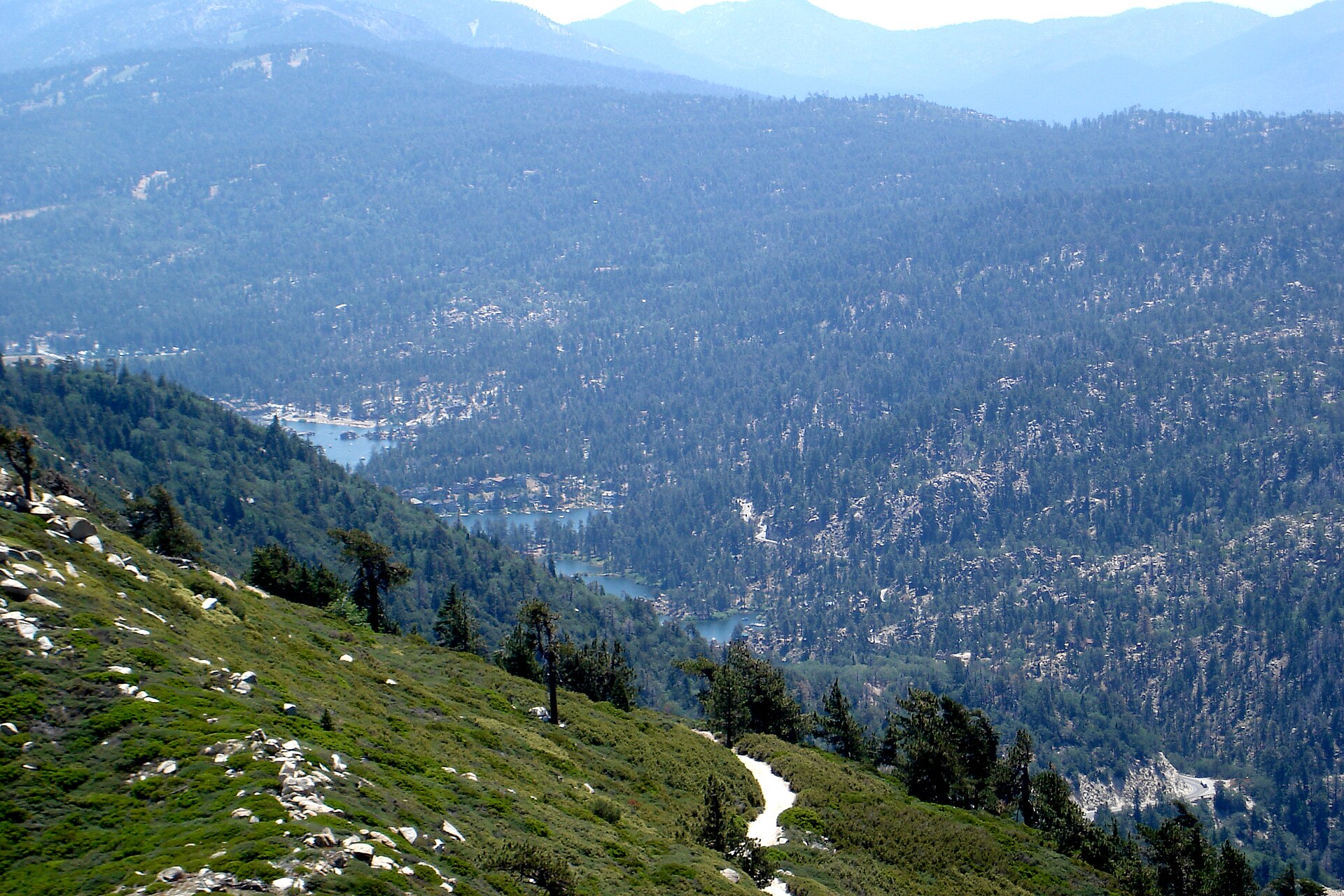
The short version
- Next edition: October 2027. The organizer had not posted 2027 race dates when this was checked. Online registration is listed to close Sunday, October 3, 2027, which points to race week of October 7-10, 2027 with the 100 mile on Friday, October 8. Treat that as expected, not confirmed, and check the official site.
- Last edition: October 8-11, 2026. The 100 mile started Friday, October 9 at 1:00 PM.
- Start: Rim Nordic Ski Area, 35100 CA-18, Running Springs. Finish: The Village of Big Bear Lake, 40803 Village Dr. Point to point around the Big Bear Valley.
- Distance and climb: 100.1 miles with 15,735 ft of gain and 15,663 ft of loss per the final 2026 chart (the race page banner rounds the gain to 16,000 ft).
- Surface: 54 miles of trail, 43 miles of dirt road, 3 miles of asphalt.
- High point: the summit of Sugarloaf Mountain, 9,995 ft. Big Bear itself is at 6,700 to 7,000 ft.
- Time limit: 36 hours, with eight intermediate cutoffs.
- Aid stations: 14 between start and finish. Six take crew, five take drop bags.
- Pacers: 100 mile only, from Doble Camp 2 (mile 55.4) onward.
- Poles: allowed, with a catch that changes your plan (see below).
- What it earns you: 8 UTMB Running Stones (double the usual count, because Kodiak is a UTMB World Series Americas Major) and a Western States qualifier. The Western States qualifying list shows the October 2027 Kodiak 100 mile, finished inside the 36-hour limit, counting for the 2028 lottery.
- Official pages: 100M race page with GPX, runner guide, crew and spectators, registration, gear and regulations, results on UTMB Live. Pre-UTMB history lives on UltraSignup.
What kind of race is this?
Kodiak began in 2013 as a homegrown Big Bear mountain hundred (the official results archive goes back that far) and has run under the UTMB World Series banner since 2023. It is an Americas Major, a status the race says it will share with the Canyons Endurance Runs in 2027. That means double Running Stones and direct entry to the UTMB finals in Chamonix for the top 10 men and top 10 women in the 100 mile, 100K and 50K. It draws a deep field. On UTMB Live's results, Hayden Hawks won the 2025 race in 16:40:37, and Cody Poskin (16:46:21) and Nichole Abma (20:43:40) won in 2026.
For everyone else, the more useful numbers are on the same results page: 428 starters, 279 finishers in 2026. Roughly one in three did not make it to the Village, a rougher year than 2025, when 328 of 437 finished. The median 2026 finisher took about 31 hours 37 minutes, and 77 of the 279 came in during the last two hours before the cutoff. By the surface numbers this is a far more runnable course than Mogollon Monster. What takes people out is altitude, a long cold night that starts early, and cutoffs that are stricter in the first third than the 36-hour limit suggests.
If you've read older reports that mention a start in the Village, Seven Oaks, Deadman's Ridge or a brutal canyon descent and climb, those describe earlier versions of the course. The 2026 race started at Rim Nordic, and none of those other names is on its station list.
Before the clock starts: Thursday and Friday morning
The logistics trap at Kodiak is that the expo and the start are about 30 minutes apart by car, and your bib and drop bags are handled at the first one, not the second.
- Bib pick-up is at Basecamp in the Village. In 2026 it ran Thursday 1-7 PM, with a race-morning window for 100 milers on Friday from 9 to 10 AM, also in the Village and not at the start. Bring photo ID and your QR code.
- Drop bags go to Basecamp, not the start. In 2026 the windows were Thursday 2-6 PM or Friday 9-10 AM. A bag you carry to Rim Nordic will not reach an aid station.
- Bag rules: one bag per aid station, no bigger than an airline under-seat item, labeled with name, bib and station. No poles in any bag.
- No runner parking at the start. 100 milers park at the Fox Farm Lot (41850 Garstin Dr) and take the runner shuttle, which ran 10:30-11:45 AM in 2026. The ride is about 30 minutes. Getting dropped off at Rim Nordic by your crew is also allowed, and the chart lists supporter parking there.
- Start/finish bag: hand it over at Rim Nordic and it meets you at the finish. It does not go on course.
- Mandatory gear is checked at random before, during or after the race. The 2026 basic kit for the 100 mile was: a running pack, a phone, a personal cup of at least 150 ml (bottles and lidded flasks don't count), at least 1.5 liters of water capacity, two working headlamps each with backup power (phones and watches don't count as lights), an emergency blanket, a whistle, a food reserve, a hooded jacket with a water-repellent finish, and a hat or Buff. Gloves, a spare warm layer and poles were listed as recommended.
- Weather kits: race management can add a cold kit (eye protection, a second warm layer, warm hat, warm waterproof gloves, waterproof overpants) or a hot kit (sunglasses, sunscreen, water capacity raised to 2 liters), sometimes only a day out. Bring both to Big Bear. The current lists are on the regulations page.
The course, by the clock
The 100M race page has the elevation profile and the GPX. Download the file marked final. In 2026 the Forest Service approval arrived about a week before the race and moved the Sugarloaf aid station half a mile. Course ribbons (orange, with reflective clips for night) always overrule your watch.
1:00 PM to sunset: Rim Nordic to Camp Whittle (miles 0 to 19.4)
The opening 8.4 miles to Crab Flats lose more than they gain (about 1,100 up, 1,800 down). It's a net-downhill start at altitude on fresh legs in the warmest part of the day, which is the classic recipe for going out too fast.
Then comes the longest gap on the course: 11.0 miles from Crab Flats to Camp Whittle with about 2,050 ft of climbing. The race director's notes say runners must leave Crab Flats with at least 1.5 liters. Take that as a floor.
Sunset in Big Bear in the second week of October is about 6:20 PM, with usable light until roughly 6:45, so much of the field reaches Camp Whittle in the last light or just after it. This is your first drop bag and the place to become a night runner: light on your head, second light in the vest, warm layer where you can reach it. The Camp Whittle cutoff is 7:15 PM.
The first night: Van Dusen, Doble Camp and the desert loop (miles 19.4 to 55.4)
From Camp Whittle it's 7.3 miles to Van Dusen and 7.0 more to Doble Camp 1 at mile 33.7, the first place you can see your crew. Most of the field has been running eight to ten hours without them.
After Doble the course heads out on a big loop through Burns Canyon, Smarts Ranch and Cactus Flats and comes back to Doble Camp at mile 55.4. By the map this is the high-desert side of the valley, the part the race describes as Joshua tree country, and there's a lot of dirt road in it. No crew, no drop bags and no pacers anywhere on the loop. In 2026 the race removed crew access at Cactus Flats entirely.
The loop is mostly rolling and net downhill until the end. Then Cactus Flats to Doble Camp 2 climbs about 1,380 ft in 4.1 miles, the steepest leg on the chart outside the Sugarloaf summit, and most of the field does it in the cold hours between midnight and dawn.
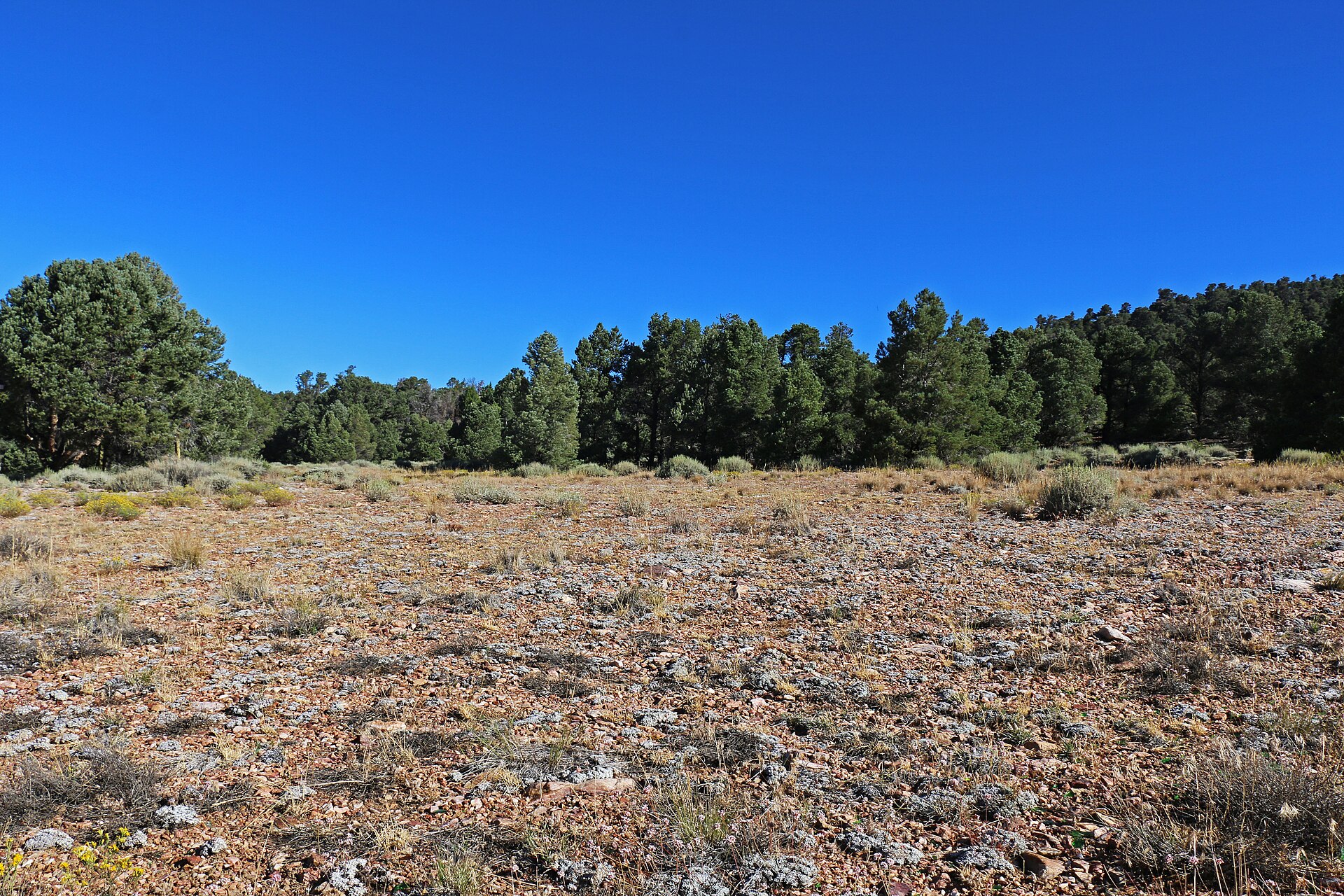
Saturday morning: Doble to Sugarloaf (miles 55.4 to 69.3)
Doble Camp 2 is the reset. Pacers can join here, your drop bag is here, and for most of the field the sun is coming (sunrise is about 6:45 AM). You then repeat the 6.1 miles to Burns Canyon that you covered on the way out, and climb about 1,590 ft over 7.8 miles to the Sugarloaf aid station at mile 69.3.
Saturday midday: the mountain (miles 69.3 to 83.0)
This is the centerpiece. Sugarloaf 1 to Balky Horse is 8.8 miles with about 3,090 ft of climbing, topping out on the 9,995-foot summit. UTMB Live's checkpoint list puts the summit turnaround near mile 74.7, about five and a half miles above the aid station, and lists no aid on top. The race page's own time estimates for this leg run from about two hours for the leaders to about five for the last runners, so fill everything at Sugarloaf 1. The final two miles to the top are two-way traffic, and uphill runners have the right of way. Then it's 5.0 miles from Balky Horse back to the Sugarloaf aid station at mile 83.0, almost all downhill (about 1,450 ft of loss).
The 100K starts in the Village at 6 AM Saturday and climbs the same mountain, with its own Sugarloaf cutoffs at 9:30 AM and 2 PM. So it's the middle and back of the 100 mile field, not the leaders, who share the summit out-and-back with 100K runners. The race director's notes say most of the other shared trail comes after Bear Mountain.
Saturday afternoon into night: the ski resorts and home (miles 83.0 to 100.1)
- Sugarloaf 2 to Bear Mountain, 6.1 miles. Rolling. Bear Mountain (mile 89.2) is the only aid station on the course where your people can simply drive up and park.
- Bear Mountain to Snow Summit, 6.3 miles with about 1,830 ft of climbing. About half a mile out of the aid station you leave asphalt for trail. The Snow Summit aid station is at the top of the ski hill, and the profile on the race page puts more than 1,100 ft of that climb in the last mile and a half, after you pass the crew point at the base.
- Snow Summit to the finish, 4.6 miles and about 1,440 ft down. Since 2026 the descent uses the Going Green trail, not the old Knickerbocker road route. Then the Village.
Aid station table (final 2026 chart)
Gain and loss are for the leg leaving that station. "Leave by" is the cutoff; the chart notes cutoffs are extended slightly based on when the last runner crosses the start line, so the printed times are the earliest they can be.
| Aid station | Mile | Next leg | Crew | Drop bag | Pacer pickup | Leave by | Notes |
|---|---|---|---|---|---|---|---|
| Start, Rim Nordic | 0 | 8.4 mi, +1,135 / -1,820 ft | Yes | Start/finish bag | No | 1:00 PM Fri start | Supporter parking allowed. Runner shuttle from Fox Farm Lot |
| Crab Flats | 8.4 | 11.0 mi, +2,049 / -933 | No | No | No | none listed | Leave with 1.5 L or more. Longest leg on the course |
| Camp Whittle | 19.4 | 7.3 mi, +1,032 / -921 | No | Yes | No | 7:15 PM Fri | Around sunset. Lights and layers on here |
| Van Dusen | 26.8 | 7.0 mi, +639 / -1,039 | No | No | No | none listed | |
| Doble Camp 1 | 33.7 | 6.1 mi, +634 / -726 | Yes, shuttle only | Yes | No | 11:30 PM Fri | First crew stop. No parking. No pacers yet |
| Burns Canyon 1 | 39.7 | 7.9 mi, +618 / -1,467 | No | No | No | none listed | Start of the desert loop |
| Smarts Ranch | 47.5 | 3.8 mi, +305 / -210 | No | No | No | none listed | Lowest aid station, about 5,900 ft |
| Cactus Flats | 51.4 | 4.1 mi, +1,378 / -528 | No (removed 2026) | No | No | 5:30 AM Sat | Steep climb back to Doble follows |
| Doble Camp 2 | 55.4 | 6.1 mi, +616 / -711 | Yes, shuttle only | Yes | Yes | 7:30 AM Sat | First pacer point |
| Burns Canyon 2 | 61.5 | 7.8 mi, +1,589 / -1,086 | No | No | No | none listed | |
| Sugarloaf 1 | 69.3 | 8.8 mi, +3,088 / -1,676 | Yes, shuttle plus 0.5 mi walk | Yes | Yes | 1:00 PM Sat | The summit climb starts here. No aid on top |
| Balky Horse | 78.1 | 5.0 mi, +33 / -1,445 | No | No | No | none listed | The mountain is behind you |
| Sugarloaf 2 | 83.0 | 6.1 mi, +685 / -829 | Yes, shuttle plus 0.5 mi walk | Yes | Yes | 7:00 PM Sat | The cutoff falls about 40 minutes after sunset |
| Bear Mountain | 89.2 | 6.3 mi, +1,829 / -835 | Yes, drive and park | No | Yes (last one) | 9:00 PM Sat | Last big climb follows |
| Snow Summit | 95.5 | 4.6 mi, +105 / -1,437 | Base only; chairlift to the aid station | No | No | 11:30 PM Sat | Aid station is at the top of the ski hill |
| Finish, The Village | 100.1 | Yes, by shuttle | Bag from start | 1:00 AM Sun |
One discrepancy to know about: the interactive profile on the race page showed 1:15 PM for Sugarloaf 1, while the PDF chart, the runner guide and UTMB Live all said 1:00 PM. Plan on 1:00.
Aid stations stock Naak drink mix and gels, fruit, soda, sweet and salty snacks and PB&J, plus basic first aid and blister care. The race calls itself semi-autonomous: fewer, more spread-out stations than a typical American hundred, and no support between them. The regulations say no disposable cups are handed out, so the mandatory cup is how you drink soda or soup. The rule is one drop bag per aid station; whether Doble Camp 1 and 2 (or Sugarloaf 1 and 2) count as one station or two for that purpose is something to check in the current runner guide.
What the cutoffs really ask for
A 36-hour limit works out to 21:35 per mile. The early cutoffs do not.
| Checkpoint | Mile | Leave by | Elapsed | Average pace needed |
|---|---|---|---|---|
| Camp Whittle | 19.4 | 7:15 PM Fri | 6:15 | 19:20 / mi |
| Doble Camp 1 | 33.7 | 11:30 PM Fri | 10:30 | 18:42 / mi |
| Cactus Flats | 51.4 | 5:30 AM Sat | 16:30 | 19:16 / mi |
| Doble Camp 2 | 55.4 | 7:30 AM Sat | 18:30 | 20:02 / mi |
| Sugarloaf 1 | 69.3 | 1:00 PM Sat | 24:00 | 20:47 / mi |
| Sugarloaf 2 | 83.0 | 7:00 PM Sat | 30:00 | 21:41 / mi |
| Bear Mountain | 89.2 | 9:00 PM Sat | 32:00 | 21:31 / mi |
| Snow Summit | 95.5 | 11:30 PM Sat | 34:30 | 21:40 / mi |
| Finish | 100.1 | 1:00 AM Sun | 36:00 | 21:35 / mi |
Three things fall out of that arithmetic.
The first third is a 31-hour race. Averaging 18:42 per mile through Doble Camp 1 is the pace of a 31:12 finish. A runner planning to finish in 34 or 35 hours cannot run an even effort; they have to bank the first 34 miles and slow down later. And if you leave Camp Whittle right on its cutoff, you have 4 hours 15 minutes for the next 14.3 miles in the dark, which is under 18 minutes a mile.
The end is not a victory lap. From Sugarloaf 2 to Bear Mountain you get two hours for 6.1 miles: 19:40 a mile, at mile 83 and beyond. Snow Summit to the finish is 90 minutes for 4.6 downhill miles on tired quads. In 2026, 39 of the 279 finishers crossed the line in the final hour. Runners who are 10 minutes ahead of the cutoff at Sugarloaf 2 are not safe.
The mountain leg is the generous one. Sugarloaf 1 to Sugarloaf 2 gives six hours for 13.7 miles. Use that, but don't spend all of it.
The rule itself is strict: you must leave the aid station before the cutoff, and arriving after it means your bib is pulled.
Crew guide: a hundred with a bus schedule
Kodiak crews do far less driving than at most American hundreds and a lot more waiting for buses. The Forest Service permit limits vehicles, so the race runs mandatory crew shuttles to the two most important stops. Break the parking rules and your runner can be disqualified.
Where crew is allowed: Rim Nordic (start), Doble Camp 1 and 2, Sugarloaf 1 and 2, Bear Mountain, the base of Snow Summit, and the finish. That's it. The regulations set the crew zone at 500 meters either side of the aid station. For 2026 the race asked crews to keep it to two people per runner at the aid station, and the standing UTMB rule limits the support bag to 30 liters.
- Rim Nordic start (Friday, 1 PM). On CA-18 in Running Springs, about a 30-minute drive from the Village. Supporter parking is allowed here. After the start, crews have hours to spare: your runner won't reach Doble until evening.
- Doble Camp 1 and 2 (miles 33.7 and 55.4). No parking, no drop-offs. Park at Snow Summit, 880 Summit Blvd, and ride the crew shuttle, about 20 minutes each way. In 2026 it ran from 3 PM Friday to 7:30 AM Saturday. Pacers starting at Doble 2 ride the same bus.
- Sugarloaf 1 and 2 (miles 69.3 and 83.0). No parking. Park at Bear Mountain Ski Resort, 43101 Goldmine Dr, and ride the shuttle, about 10 minutes. In 2026 it ran from 9 PM Friday to 7 PM Saturday. After the relocation, crews then walk half a mile each way to the aid station. Everything you bring, you carry.
- Bear Mountain (mile 89.2). The easy one. Drive in, park, walk to the aid station. There's a dirt overflow lot. If you only have the energy for one stop done well, this is it.
- Snow Summit (mile 95.5). Crew access is at the base, which is not the aid station. The race page's profile marks the crew point about a mile and a half before the aid station at the top. Crews who want to reach the aid station itself can ride the chairlift (it ran 6 AM to midnight on Saturday in 2026) with a lift ticket bought at the window. With the finish only 4.6 miles past the top, going straight to the Village is a reasonable call.
- Finish, the Village. No spectator parking in the Village after 11 AM Saturday. Park at Snow Summit and take the finish shuttle (about 15 minutes), which ran until 3 AM Sunday and drops a block from the arch.
Road types: the crew parking areas are ski-resort and town lots reached on paved roads, so no high clearance or 4WD is needed (the Bear Mountain overflow lot is dirt). Any forest-road driving to Doble and Sugarloaf is done by the shuttle. We couldn't confirm cell coverage at Doble or Sugarloaf; the runner guide warns it may be limited at aid stations.
Tracking: LiveTrail shows timing splits at some stations, not GPS dots, and the guide tells families to expect delays of up to two hours. A missing split is not a missing runner.
When to be where
Even-pace arithmetic, which no real runner follows, but it's a starting grid for the crew plan. Front-load it: most people run the first third faster than their average and the mountain slower.
| Stop | Mile | 24-hour pace | 30-hour pace | Cutoff |
|---|---|---|---|---|
| Doble Camp 1 | 33.7 | 9:05 PM Fri | 11:05 PM Fri | 11:30 PM Fri |
| Doble Camp 2 | 55.4 | 2:15 AM Sat | 5:35 AM Sat | 7:30 AM Sat |
| Sugarloaf 1 | 69.3 | 5:35 AM Sat | 9:45 AM Sat | 1:00 PM Sat |
| Sugarloaf 2 | 83.0 | 8:55 AM Sat | 1:50 PM Sat | 7:00 PM Sat |
| Bear Mountain | 89.2 | 10:25 AM Sat | 3:45 PM Sat | 9:00 PM Sat |
| Finish | 100.1 | 1:00 PM Sat | 7:00 PM Sat | 1:00 AM Sun |
A realistic crew night: Rim Nordic start, dinner, shuttle to Doble for the evening visit, a few hours of sleep near the Snow Summit lot, back on the Doble shuttle before dawn, then move the car to Bear Mountain for both Sugarloaf visits and the Bear Mountain stop.
Getting there from Arizona: Big Bear Lake is roughly 5.5 to 6 hours from the Phoenix area (we haven't timed it). The desert approach leaves I-10 for CA-62 to Yucca Valley, CA-247 to Lucerne Valley and CA-18 up the north side of the mountain. Coming from Los Angeles or San Bernardino, CA-330 and CA-18 pass Running Springs and Rim Nordic on the way up.
Pacers
- 100 mile only. One pacer at a time, age 18 or older.
- Join points: Doble Camp 2 (55.4), Sugarloaf 1 (69.3), Sugarloaf 2 (83.0), Bear Mountain (89.2). Not Doble Camp 1 and not the base of Snow Summit.
- Paperwork: every pacer signs a waiver and wears a pacer bib and wristband, picked up at Basecamp or at the join points. Screenshot the online waiver; signal is unreliable out there.
- Pacers carry the full 100 mile mandatory gear. This catches people. Your pacer needs their own kit, two headlamps included, checked against the same list as yours.
- No muling. Pacers can't carry your food, water or gear. They can help fill bottles inside the aid station.
- No pacer drop bags. Anything your pacer needs goes in your bags or rides the shuttle with them.
- Getting out: a pacer who stops at a non-crew aid station waits for a ride after it closes, or walks.
Natural splits: Doble 2 to Sugarloaf 1 (13.9 miles), Sugarloaf 1 to Sugarloaf 2 over the summit (13.7), and Sugarloaf 2 or Bear Mountain to the finish (17.1 or 10.9). The summit leg is the one to give your strongest climber.
Poles: decide at the start line
Poles are allowed, and on paper this is a great pole course. But UTMB's rule here is different from most American races: if you use poles, you start with them and finish with them. You can't pick them up from crew, you can't leave them at an aid station, and they can't go in a drop bag.
So the usual plan of grabbing poles from your crew before the big climb doesn't exist here. It's all 100.1 miles or none.
Where they earn their weight:
- Crab Flats to Camp Whittle: about 2,050 ft over 11 miles.
- Cactus Flats to Doble Camp 2: about 1,380 ft in 4.1 miles, at night.
- Burns Canyon 2 to Sugarloaf 1, then the Sugarloaf summit: about 3,090 ft in 8.8 miles.
- Bear Mountain to the top of Snow Summit: about 1,830 ft in 6.3 miles, past mile 89.
- The two long descents, Balky Horse to Sugarloaf 2 and Snow Summit to the Village, where they save quads.
Where they're dead weight: much of the 43 miles of dirt road, especially the desert loop.
The practical answer for most mid-pack and back-of-pack runners is folding poles and a quiver or vest loops you've practiced with, so they disappear on the runnable miles. If you never train with poles, a race with this rule is not the place to start.
What runners say that the website doesn't
Detailed write-ups of the current Rim Nordic course are still thin; most of what's online describes earlier routes, and we didn't find a dedicated r/ultrarunning thread on the 2026 course worth citing. These are the points that carry over, credited by source.
- The temperature swing is the headline. A 2019 race report on TeamRunRun describes a 94-degree day followed by a night that dropped to freezing; the runner hadn't planned for the cold, slowed to a crawl after mile 25, and missed the mile-55 cutoff by 15 minutes. That race was in August on the old course. Kodiak is now in October, so the days are cooler and the nights start colder. The official guide says to expect a drop of up to 35 degrees at sunset and points out that the Big Bear forecast is for town, while most of the course is higher.
- Heat training still pays. The same report credits heat prep for getting through an afternoon that sent other runners home. A 1 PM start means your first five hours are the warmest hours of the day, in thin air with strong sun.
- Nausea has four usual suspects. The official medical notes list over-drinking, under-drinking, heat and altitude together as the common causes and tell runners to drink to thirst. With the town at 7,000 ft and the course topping out near 10,000, arriving a couple of days early is cheap insurance for sleep and appetite.
- Trust ribbons, not the watch. The race director's notes repeat it, and warn that at shared junctions the runner ahead may be in a different race.
- Buy what you need before you drive up. The race itself warns that Big Bear has a limited number of stores.
One line from the Visit Big Bear welcome letter in the runner guide is worth keeping in a pocket for the second night: "you came to Big Bear for exactly this."
The finish line is decided here
UTMB Live logs every withdrawal against the checkpoint where it was recorded. For the 2026 100 mile that's 149 withdrawals from 428 starters, and they are not spread evenly.
| Checkpoint | Mile | Withdrawals logged, 2026 |
|---|---|---|
| Crab Flats | 8.4 | 0 |
| Camp Whittle | 19.4 | 16 |
| Van Dusen | 26.8 | 3 |
| Doble Camp 1 | 33.7 | 29 |
| Burns Canyon 1 | 39.7 | 4 |
| Smarts Ranch | 47.5 | 4 |
| Cactus Flats | 51.4 | 24 |
| Doble Camp 2 | 55.4 | 14 |
| Burns Canyon 2 | 61.5 | 6 |
| Sugarloaf 1 | 69.3 | 27 |
| Balky Horse | 78.1 | 2 |
| Sugarloaf 2 | 83.0 | 11 |
| Bear Mountain | 89.2 | 2 |
| Snow Summit | 95.5 | 5 |
| Finish | 100.1 | 2 |
Three checkpoints account for more than half of the total: Doble Camp 1, Sugarloaf 1 and Cactus Flats. The feed doesn't say whether a runner quit or was timed out (or what the two logged at the finish were), so the reasons below are a reading of the chart and the clock, not the race's own explanation.
Doble Camp 1, mile 33.7, 11:30 PM Friday. The biggest single loss. It's the tightest cutoff relative to effort, it comes after the longest unsupported stretch, it's cold and dark, and it's the first place with a crew, a chair and a bus back to town. Add Camp Whittle and Van Dusen and nearly a third of all the 2026 withdrawals came in the first 34 miles. Plan to be at Camp Whittle by 6:30 PM, not 7:15.
Cactus Flats, mile 51.4, 5:30 AM Saturday. No crew, no drop bag, the low end of the desert loop in the small hours, and a cutoff that sits right before the steep climb back to Doble. A runner who leaves Doble 1 near its cutoff has six hours for the 17.7 miles to Cactus Flats, about 20:20 a mile through the night. The time you banked before Doble 1 is what gets you through here.
Sugarloaf 1, mile 69.3, 1:00 PM Saturday. Twenty-seven runners got this far and no farther. The shuttle back to town is right there, and the next thing on the chart is 3,000 feet of climbing with no aid for 8.8 miles. This is where a pacer, real food and a short stop change the outcome. Crews: have the pacer dressed and ready before the runner arrives.
Get onto the mountain and the odds change. Of the 301 runners still in the race after Sugarloaf 1, 279 finished. Of the 288 still in after Sugarloaf 2, 279 finished. Balky Horse, just past the summit, logged two withdrawals all race, so don't sit down there. What's left to beat is the clock: 11 runners were logged out at Sugarloaf 2 and five at the top of Snow Summit, 4.6 miles from the arch.
How not to DNF at Kodiak
- Bank the first 34 miles on purpose. Aim to be 45 to 60 minutes ahead of the Doble 1 cutoff. Hike the Crab Flats climb with intent.
- Dress for the night at Camp Whittle, before you're cold. Gloves, hat, a real insulating layer, not just a wind shell. It's far easier to stay warm than to get warm.
- Carry more water than feels necessary on the 11-mile leg and on the Sugarloaf summit leg, which the race's own estimates put at two to five hours with no aid.
- Eat real food through the night. The 2019 report's turnaround came from eating everything in reach after sunrise. Don't wait for sunrise.
- Chair rule at Doble: sit only to change socks or shoes, with a time limit your crew enforces. Ten minutes, then walking.
- Treat Sugarloaf as a hike. Six hours for 13.7 miles is enough at a steady walk. Keep moving through the two-way summit section and keep eating.
- Run the gentle downhills late. The final cutoffs assume it.
- Think one station ahead. After mile 20 no leg is longer than 8.8 miles. Apart from the summit, each one is two to three hours of work at most.
For a wider look at how course shape changes the mental game, see Loop or line: which 100 is harder?
Gear for this course
Start from the official mandatory list, then add what this course demands.
- Folding carbon trekking poles and a pole quiver, because you carry them for all 100.1 miles or not at all.
- Two rechargeable headlamps, not one plus a keychain light. The 2026 kit required two working lamps, each with spare batteries or a power bank behind it. The first night is about 12 and a half hours long, and anyone finishing slower than about 29.5 hours needs a light again on Saturday evening.
- A packable insulated jacket for the hours around dawn at Doble and for the wind on Sugarloaf. It's also the second warm layer the cold kit asks for.
- A hooded waterproof running jacket. The 2026 list asked for an attached hood and a water-repellent finish; a taped-seam shell clears that bar. Check the current kit list for the exact spec.
- Running gloves and a merino beanie. Cheap, light, and the difference between running and shuffling at 4 AM.
- A hydration vest with at least 2 liters of capacity and spare soft flasks. The mandatory minimum is 1.5 liters, the hot kit raises it to 2, and the 1.5 liters out of Crab Flats is the race director's number, not a suggestion.
- A spare collapsible cup. The cup is mandatory kit and the only way to drink soda or soup. The registration page lists one among the items runners receive; a backup weighs nothing.
- A sun hoody for the 1 PM start and Saturday's summit. High-altitude sun burns fast even at 60 degrees.
- Trail gaiters for 43 miles of dusty dirt road.
- Electrolyte drink mix you've trained with, in case the on-course mix doesn't agree with you.
- For the crew: a backpack-style camp chair and a packable blanket. Everything rides a shuttle and, at Sugarloaf, gets carried half a mile.
The van idea
Kodiak is an odd fit for a crew vehicle and a very good fit for a crew base camp. No one can drive to Doble or Sugarloaf, van or otherwise. But the crew's whole weekend revolves around two parking lots, Snow Summit and Bear Mountain, with long gaps between shuttle runs through a night that drops toward freezing.
That's where AZ Ultra Vans makes sense: a real bed for the crew between the Doble visits, a fridge for food and cold drinks to carry onto the shuttle, a place for the pacer to sleep until their leg, and at Bear Mountain (mile 89.2), the one aid station you can drive to, a spot out of the wind for the last sock change. After the finish, compression boots and a bed that isn't a five-hour drive away. Check each lot's overnight rules in the current runner guide before planning to sleep there.
It's a reservation-interest waitlist for now while we see which races people want it for; availability isn't guaranteed. Add your name on the card above or at van.azsvinternal.com.
Kodiak 100 FAQ
When is the Kodiak 100 in 2027? The organizer hadn't posted the 2027 dates when this was checked. Registration is listed to close October 3, 2027, which points to race week of October 7-10 with the 100 mile on Friday, October 8, and Western States' qualifier list also places the race in October 2027. Confirm on the official site.
When does registration open? On November 15, 2026 the registration page said only that 2027 registration would open soon, with no dates and no fees. A search-engine snapshot of that page had shown priority registration on November 17, 2026 and general registration on November 19, both at 9 AM Pacific, but we could not confirm those on the page itself, so sign up for the race's email list rather than trusting them. UTMB gives runners with a valid UTMB Index a 48-hour priority window. There's no waiting list, and entries are non-refundable with a one-time deferral to the following year (the page lists September 7, 2027 as the deferral deadline).
Do I need a qualifier to enter? No entry qualifier is listed for the 100 mile. You must be 18.
Is Kodiak a Western States qualifier? Yes. Western States' own qualifying-race list includes the October 2027 Kodiak 100 mile, finished within 36 hours, for the 2028 lottery, and the October 2026 race for the 2027 lottery. For the 100K the two sources disagree (Western States lists 19 hours, the Kodiak registration page says 18), so go by Western States. For how that lottery works, see our Western States lottery explainer.
How hard is the Kodiak 100 compared with other 100s? On paper it's moderate: about 15,700 ft of gain and a lot of runnable dirt road. In practice the altitude, the cold night and the early cutoffs produced a finish rate near 65 percent in 2026 and 75 percent in 2025. It runs at higher altitude than San Diego 100, the other big Southern California mountain hundred, and it's far colder at night than a desert race like Javelina.
Can my crew drive to the aid stations? Only to Bear Mountain (mile 89.2) and the start. Doble Camp and Sugarloaf are shuttle-only, Snow Summit is base access with a chairlift to the aid station, and the finish is reached by shuttle from the Snow Summit lot.
Can I pick up poles from my crew at Sugarloaf? No. If you use poles you must carry them from start to finish, and they aren't allowed in drop bags.
How cold does it get? The runner guide warns of a drop of up to 35 degrees at sunset and notes that most of the course is higher and cooler than town. Plan for a night at or near freezing, colder with wind on the high ground, after an afternoon that can feel warm in the sun. The cold-weather kit can be made mandatory on short notice.
Who wrote this
Johnathon Lawson is a Gilbert, Arizona ultrarunner, track and cross-country coach and father of three, and a three-time 100-mile finisher: Zion 100 (2025), Mogollon Monster 100 (2025) and San Diego 100 (2026). He hasn't raced Kodiak; this guide is researched from the official race documents and runner reports. Follow his training on Strava, his results on UltraSignup, and AZ Ultra Adventure on YouTube and Instagram.
Sources, all checked November 15, 2026: HOKA Kodiak Ultra Marathons by UTMB official site, 100M race page, crew and spectators page, registration page and race director course notes; the 2026 Runner Guide, the final 2026 100M aid station chart (October 6, 2026 update) and the 2026 race regulations, all linked from the official site; UTMB Live for 2025 and 2026 results, finishing times and withdrawal counts; the Western States qualifying-race list; and a 2019 race report on TeamRunRun. Photos from Wikimedia Commons: Big Bear Valley, California by jcookfisher (CC BY 2.0) and a U.S. Fish and Wildlife Service pebble plains photo (public domain). Dates, cutoffs, shuttle hours and crew points change every year: check the 2027 runner guide before race week.
Some links are Amazon affiliate links. As an Amazon Associate we earn from qualifying purchases, at no extra cost to you.