 AZ Ultra Adventure
On this page
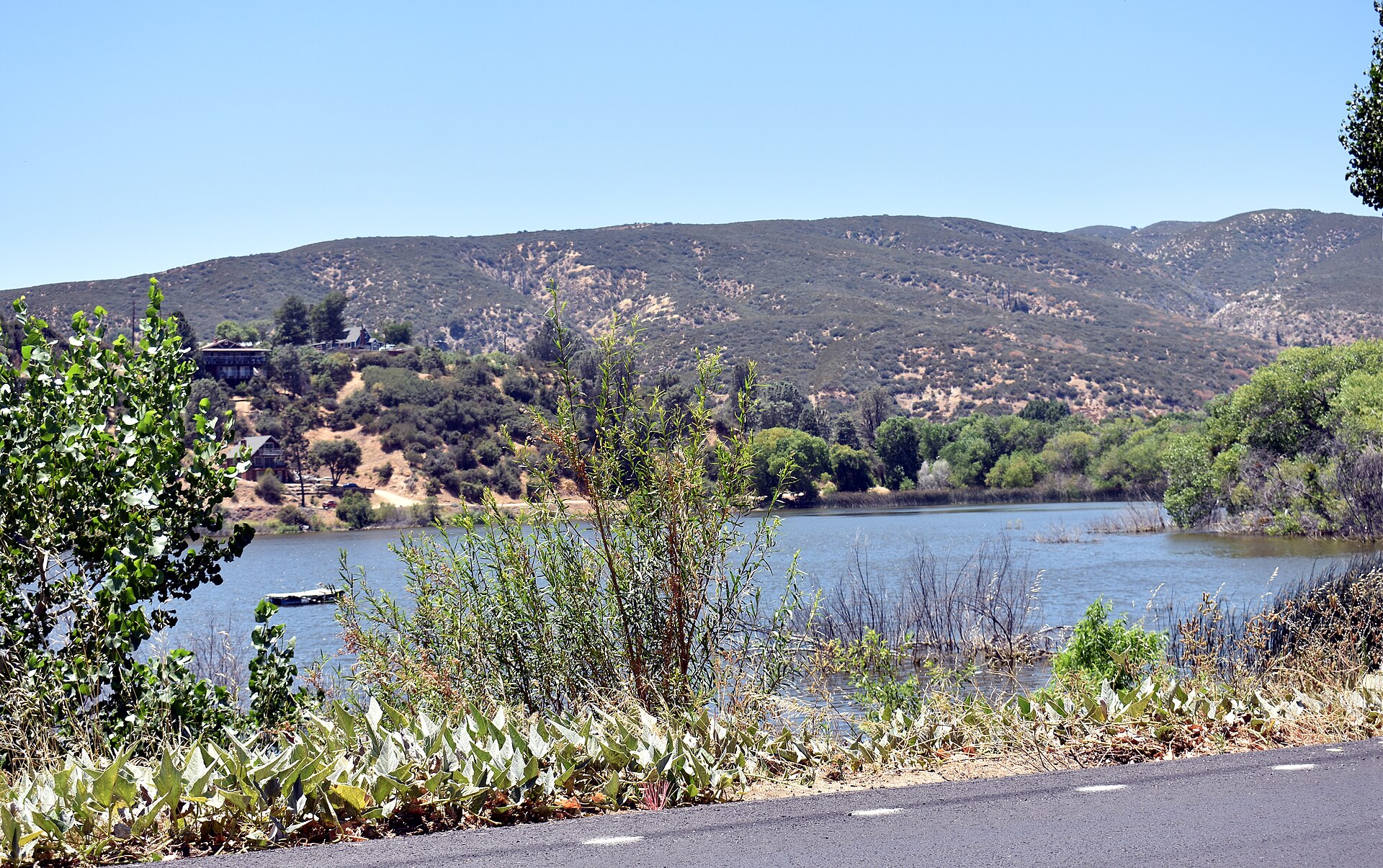
Leona Divide has five races and one start line. All five leave the Lakes Community Center in Lake Hughes on Saturday, April 17, 2027, climb to the Pacific Crest Trail, and run out and back along it. The only real difference between them is how far along the trail you go before you turn around, and how many times you do it.
That makes the first question simple. Which one are you running?
At Leona Divide that answer changes almost everything else: whether you get a crew or a pacer, how many drop bags you pack, whether you run through the night, and whether the day counts toward Western States or Angeles Crest. So this guide starts there.
Some background first. Leona Divide started in 1992 as a 50-miler, according to a longtime runner's race report, and the organizer calls it a 30-plus-year-old event. Keira Henninger of KH Races has directed it since 2009. The 100K came later, and the 100-miler is the new one: it first ran in 2024. It sits on the north edge of Los Angeles County, about an hour and a half from LAX, where the Angeles National Forest drops toward the Antelope Valley. PCT thru-hikers come through here in April, so you will share the trail with people carrying big packs to Canada.
This guide is current as of November 23, 2026. The race has already posted its 2027 athlete guides (they are dated August 2026), so the aid stations, cutoffs and rules below come from those, plus the KH Races site, UltraSignup, the Western States and AC100 qualifier pages, UltraSignup results and two runner reports. We have not run Leona Divide. This is a researcher's and crew guide, not a race report.
The first decision: which distance?
Here is what the five races look like side by side. Distances and climbing are the race's own figures from its course page.
| 100 Mile | 100K | 50 Mile | 50K | 30K | |
|---|---|---|---|---|---|
| Start (Sat April 17) | 5:30 AM | 6:30 AM | 6:30 AM | 7:00 AM | 7:00 AM |
| Distance | 99.3 mi | 63.3 mi | 51.2 mi | 30.2 mi | 17.8 mi |
| Climbing | 16,446 ft | 10,095 ft | 8,195 ft | 5,285 ft | 3,313 ft |
| Final cutoff | 2:30 PM Sunday (33 hours) | 2:30 PM Sunday | 2:30 PM Sunday | Not in the guide | Not in the guide |
| Western States qualifier | Yes, under 33 hours | Yes, under 20 hours | No | No | No |
| AC100 Sterling Silver Ticket | No | See note | Yes, top 2 men and top 2 women | No | No |
| Crew | Yes | Yes | Yes, fewer stops | No | No |
| Pacers | Yes | Yes | Yes | No | No |
| Drop bag stops | 5 or 6 (see below) | 2 | 2 | 1 | Finish only |
| Entry fee before fees | $425 | $250 | $200 | $185 | $155 |
The course never gets very high or very low. The race's map lists a low point around 2,740 feet and a high point around 4,550 feet, so the climbing comes from dropping into canyons and climbing back out. The start times for the 100K and 50 Mile are 6:30 AM in the athlete guide and on UltraSignup, but the KH Races course page shows 6:00 AM. Go by the athlete guide and confirm race week. On the AC100 ticket, UltraSignup says the 50 Mile carries it, while the AC100 site lists both the 50 Mile and the 100K. If you are chasing that ticket in the 100K, confirm it with the race first.
The 100 Mile: the newer race
Pick it if you want a Western States qualifier from a 100-miler without a lottery, a waitlist or a mountain of travel. It is still a small race. UltraSignup's 2026 results list 44 finishers and 31 runners who did not finish. The 2025 list shows 31 finishers and 27 who did not. A 2024 report from the first edition gives 21 finishers from 31 starters. So in each of the last two years, between four and five of every ten starters did not finish.
That is a high number for a course with no altitude and no technical mountain terrain, and the race director is direct about why. The athlete guide says, in the guide's words: "This is not a supported thru hike." It goes on to say the cutoffs are fair but are built for someone who trained for this race. The first cutoff, at mile 32.5, needs a faster average pace than the 33-hour finish does.
One more rule matters for this choice. You can drop to a shorter distance up through race morning and start with that race. Once the 100-miler starts, there is no dropping down. You finish 100 miles or you get a DNF.
Registration for 2027 showed 29 spots left in the 100 Mile when we checked UltraSignup on November 23.
The 100K: the qualifier with a safety net
The 100K covers the same ground as the 50 Mile plus a longer second out-and-back to the Sawmill Road aid station. It is a Western States qualifier if you finish under 20 hours, which works out to about 19 minutes a mile.
The cutoffs in the 2027 guide are much looser than that 20-hour mark. The published final cutoff is the same as the 100-miler's, 2:30 PM Sunday, and UltraSignup's 2026 results show 100K finish times out past 22 hours. So you can finish the 100K officially and still miss the qualifier. If the qualifier is the point, your real time limit is 20 hours, not the one in the table.
The safety net is in the aid chart. A 100K runner who reaches the second Spunky Edison stop (mile 26) after 7:30 PM is moved to the 50 Mile. One 2026 runner report also describes a 100K entrant who turned at the 50-mile turnaround on a rough day and was scored as a 50-mile finisher. The guide does not explain how a voluntary switch works, so ask at bib pickup.
2026 numbers from UltraSignup: 64 finishers, 13 DNFs, and a middle-of-the-pack finish around 16 hours 20 minutes.
The 50 Mile: the classic
This is the original race and the one with the history. It is also the Sterling Silver Ticket race for Angeles Crest: the top two men and top two women earn entry to AC100, with the ticket rolling down no further than fourth place, and winners still pay the AC100 fee and do eight hours of trail work, according to the AC100 site.
Pick it if you want the full Leona Divide day without a second sunrise. You run the long eastern out-and-back to Bouquet Canyon, come back, then do a short tag past Lake Hughes Road and head home. In 2026 it had 83 finishers and 14 DNFs, with a middle finish a little over 14 hours.
It does not count for Western States.
The 50K and 30K
Both go the other direction, west past Lake Hughes Road, and both skip the long Bouquet Canyon arm. The 50K turns at Sawmill. The 30K turns 2.5 miles past Lake Hughes Road at a spot with no aid. Neither allows crew or pacers.
A plain way to decide
- You need a Western States qualifier and you have never run 100 miles: run the 100K and aim for 18 hours so you have room.
- You need the qualifier and you have finished a 100 before: the 100 Mile, if you can hold 16 to 17 minutes a mile for the first 33 miles on a warm day.
- You want an AC100 ticket and you are fast: the 50 Mile.
- You want a long day on good trail with no night running: the 50 Mile or 50K.
- You are not sure you have the training: sign up for the shorter one. You can't drop down once the gun goes.
The trail: a start, two arms and a spur
The start in Lake Hughes is not on the PCT. A connector climbs from town to the trail, and from there the races run in two directions.
The east arm follows the PCT from San Francisquito Canyon Road to Spunky Edison (a water stop near Green Valley), drops into Bouquet Canyon, and, for the 100-miler only, climbs on to the Agua Dulce aid station where the PCT meets Peterson Road by the towers. Then everybody turns around and comes back the same way.
The west arm follows the PCT the other way, across Lake Hughes Road and out toward Sawmill. The 100 Mile, 100K and 50K go to the Sawmill Road aid station. The 50 Mile and 30K turn around early.
The spur is 100-mile only. After coming back to Spunky Edison at mile 47.5, 100-milers go out about 7 miles to an aid station called Lincoln Crest and return to Spunky Edison at mile 61.5. We could not confirm the exact route of that spur from the text of the guide, so load the GPX and look at it before race day.
Runner reports describe the surface as mostly smooth, crushed-granite singletrack that hugs the hillsides, with a lot of tight turns and some overgrown brush you have to duck through. The east arm is the smooth part. The west arm past Lake Hughes Road is rougher. A 2024 100K report describes a burned, overgrown, rocky stretch around mile 45 that scratched up runners' legs, followed by a long fire road descent to the turnaround aid station and a climb back out. The last couple of miles to the finish are a fire road ridge descent.
The race requires you to have the GPX route loaded on your watch or phone. The course is marked with orange ribbon and signs, but the guide says knowing the route is your job. With three passes of Spunky Edison in the 100-miler, take that seriously.
Race facts and logistics
- Date: Saturday, April 17, 2027. The 100-miler runs into Sunday, April 18.
- Start and finish: The Lakes Community Center, 17520 Elizabeth Lake Rd, Lake Hughes, CA 93532.
- Registration: First come, first served on UltraSignup. No lottery and no qualifier to enter. It closes Thursday, April 1, 2027, at 11:59 PM Pacific. We did not find a refund or transfer policy on the listing, so check before you pay.
- Bib pickup and drop bag drop-off: Friday, April 16, at the community center. The athlete guides say 3:00 to 6:30 PM and the course page says 3:00 to 6:00 PM, so be there by 6. Race-morning pickup opens at 4:30 AM for the 100 Mile.
- Drop bags due race morning: 5:15 AM for the 100 Mile, 6:15 AM for the 100K and 50 Mile, 6:45 AM for the 50K.
- Parking and camping: Parking is free and directed by volunteers. No camping at the start, and no cars in the lot or the dirt turnout overnight before the race. Cars can stay overnight once the race has started.
- Lodging: No hotels or developed campgrounds near the start. The race points runners to Palmdale.
- Cupless. Bring your own bottle or cup. There is no bottled water at the finish either.
- Aid station food: Sweet and salty snacks, PB&J, potatoes, fruit, soda, GU gels, GU Roctane electrolyte drink and salt capsules, and Fluid electrolyte drink. Hot food at night at every station except Spunky Edison. Ice at some stations if the day is hot.
- Official pages: KH Races Leona Divide page, the 100 Mile athlete guide, the 100K and 50 Mile athlete guide and the 50K and 30K athlete guide.
Aid stations
All mileages are the race's and are marked approximate. Courses can change with weather, trail conditions and permits.
100 Mile
| Station | Mile | To next | Crew | Drop bag | Pacer pickup | Cutoff | Notes |
|---|---|---|---|---|---|---|---|
| Start, Lakes Community Center | 0 | 11 | Yes | - | No | 5:30 AM Sat start | Longest stretch without aid all day. Carry enough water |
| San Fran #1 | 11 | 7 | Yes | Yes | No | - | PCT at San Francisquito Canyon Rd. Bathroom |
| Spunky Edison #1 | 18 | 6 | Hike-in only, 1.7 mi | No | Hike-in only | - | Water, electrolyte and GU only. No cars, ever |
| Bouquet Canyon #1 | 24 | 8.5 | No | Yes | No | - | Bathroom. Last drop bag before the climb to Agua Dulce |
| Agua Dulce | 32.5 | 9 | Yes | Yes | Yes | 2:30 PM Sat | Turnaround of the east arm, PCT at Peterson Rd by the towers. First drive-up pacer pickup |
| Bouquet Canyon #2 | 41.5 | 6 | No | Yes | No | 6:00 PM Sat | The climb out of the canyon comes next |
| Spunky Edison #2 | 47.5 | 7 | Hike-in only | No | Hike-in only | No dropping here | Water, electrolyte and GU only. No hot food |
| Lincoln Crest | 54.5 | 7 | No | Yes | No | 9:30 PM Sat | End of the 100-mile spur. Put night layers and a spare light here |
| Spunky Edison #3 | 61.5 | 6.5 | Hike-in only | No | Hike-in only | No dropping here | Water, electrolyte and GU only |
| San Fran #2 | 68 | 7.5 | Yes | Yes | Yes | 2:45 AM Sun | Big crew stop. A short, steep climb follows |
| Lake Hughes #1 | 75.5 | 8.5 | Yes | Yes | Yes | 4:30 AM Sun | PCT at Lake Hughes Rd. Close to the start |
| Sawmill Road | 84 | 8.5 | Hike-in, 1/4 mi (see crew notes) | Yes | Hike-in | 7:05 AM Sun | End of the west arm. Quiet zone overnight |
| Lake Hughes #2 | 92.5 | 7.5 | Yes | Yes | Yes | 11:35 AM Sun | Last crew stop. About 4 miles of climbing after it |
| Finish | 99.3 (listed as 100) | - | Yes | Yes | - | 2:30 PM Sun | 33 hours. Also the Western States qualifying time |
The drop bag count is unclear. The guide's text says you get five drop bag locations plus the finish. The chart marks six: San Fran, Bouquet Canyon, Agua Dulce, Lincoln Crest, Lake Hughes and Sawmill. Pack for five and ask at bib pickup which one is not real. Either way, one bag per location covers every pass of that station.
100K
| Station | Mile | To next | Crew | Drop bag | Pacer pickup | Cutoff | Notes |
|---|---|---|---|---|---|---|---|
| Start | 0 | 7.5 | Yes | - | No | 6:30 AM Sat start | |
| San Fran #1 | 7.5 | 6.5 | Yes | Yes | No | - | Bathroom |
| Spunky Edison #1 | 14 | 6 | Hike-in only, 1.7 mi | No | Hike-in only | - | Water, GU and electrolyte only |
| Bouquet Canyon #1 | 20 | 6 | No | No | No | - | Turnaround. A long climb back out follows |
| Spunky Edison #2 | 26 | 6.5 | Hike-in only | No | Hike-in only | 7:30 PM Sat, or you are moved to the 50 Mile | Water, GU and electrolyte only |
| San Fran #2 | 32.5 | 7.5 | Yes | Yes | Yes | 1:45 AM Sun | Eat a real meal here |
| Lake Hughes #1 | 40 | 8.25 | Yes | Yes | Yes | 3:45 AM Sun | |
| Sawmill Road | 48.25 | 8.25 | No | No | No | 6:45 AM Sun | Turnaround after a long fire road descent |
| Lake Hughes #2 | 56.5 | 5.7 | Yes | Yes | Yes | 11:15 AM Sun | |
| Finish | 62.2 in the guide, 63.3 on the map | - | Yes | Yes | - | 2:30 PM Sun | Under 20 hours (2:30 AM Sunday) for the Western States qualifier |
50 Mile
| Station | Mile | To next | Crew | Drop bag | Pacer pickup | Cutoff | Notes |
|---|---|---|---|---|---|---|---|
| Start | 0 | 7.5 | Yes | - | No | 6:30 AM Sat start | |
| San Fran #1 | 7.5 | 6.5 | Unclear (see note) | Yes | No | - | Bathroom |
| Spunky Edison #1 | 14 | 6 | No | No | No | No dropping here | Water, GU and electrolyte only |
| Bouquet Canyon #1 | 20 | 6 | No | No | No | - | Turnaround |
| Spunky Edison #2 | 26 | 6.5 | No | No | No | No dropping here | Water, GU and electrolyte only |
| San Fran #2 | 32.5 | 7.5 | Yes | Yes | Yes | 1:45 AM Sun | |
| Lake Hughes #1 | 40 | 4.5 (no aid at the turn) | Yes | Yes | Yes | 3:45 AM Sun | Turnaround at about mile 42.5 has no aid |
| Lake Hughes #2 | 44.5 | 6.7 | Yes | Yes | Yes | 11:15 AM Sun | |
| Finish | 51.2 | - | Yes | Yes | - | 2:30 PM Sun |
The 50 Mile cutoffs in the 2027 guide are the same clock times as the 100K's. That puts the Lake Hughes #2 cutoff seven and a half hours after Lake Hughes #1 for a 4.5-mile stretch, so they look carried over from the 100K chart. Check the race's current runner guide before you count on them. The 50 Mile chart also shows no crew at San Fran #1, while the crew text suggests both passes. Ask before you send a crew there in the morning.
50K and 30K
Both pass the Lake Hughes aid station at mile 6.5. The 50K goes on to Sawmill at mile 15 (its one drop bag), returns through Lake Hughes at 23.5 and finishes at 30.2. The 30K turns at mile 9 with no aid, passes Lake Hughes again at 11.5 and finishes at 17.8. The 2027 guide lists no cutoffs for either. No crews, no pacers.
What the 100-mile cutoffs really ask for
The 33-hour finish works out to about 19 minutes 50 seconds a mile. The intermediate cutoffs do not follow that pace. They are front-loaded. Here is the math, using the guide's mileages and the 5:30 AM start. The pace columns are ours.
| Cutoff | Mile | Clock | Hours in | Average pace from the start | Pace for that stretch if you left the last cutoff on the line |
|---|---|---|---|---|---|
| Agua Dulce | 32.5 | 2:30 PM Sat | 9:00 | 16:37 /mi | 16:37 /mi |
| Bouquet Canyon #2 | 41.5 | 6:00 PM Sat | 12:30 | 18:04 /mi | 23:20 /mi |
| Lincoln Crest | 54.5 | 9:30 PM Sat | 16:00 | 17:37 /mi | 16:09 /mi |
| San Fran #2 | 68 | 2:45 AM Sun | 21:15 | 18:45 /mi | 23:20 /mi |
| Lake Hughes #1 | 75.5 | 4:30 AM Sun | 23:00 | 18:17 /mi | 14:00 /mi |
| Sawmill Road | 84 | 7:05 AM Sun | 25:35 | 18:16 /mi | 18:14 /mi |
| Lake Hughes #2 | 92.5 | 11:35 AM Sun | 30:05 | 19:31 /mi | 31:46 /mi |
| Finish | 100 | 2:30 PM Sun | 33:00 | 19:48 /mi | 23:20 /mi |
What that table says in plain words:
- You have to bank time early. The first cutoff needs a 16:37 average through 32.5 miles with the day's first big climbs and the day's heat. A runner planning an even 19-minute pace for 33 hours is out of the race at 2:30 PM.
- Do not use the Bouquet Canyon #2 and San Fran #2 cutoffs as targets. If you leave Bouquet #2 right at 6:00 PM, you need 16-minute miles for 13 miles, in the evening, to make Lincoln Crest. If you leave San Fran #2 right at 2:45 AM, you need 14-minute miles at mile 68, up a steep climb, to make Lake Hughes.
- Real deadlines, at an 18-minute pace: leave Bouquet #2 by about 5:30 PM and leave San Fran #2 by about 2:15 AM.
- It gets easy after Sawmill. From mile 84 you have four and a half hours for 8.5 miles, then almost three hours for the last 7.5. If you are out of Sawmill by 7:05 AM and can walk, you will finish.
These are from the 2027 athlete guide dated August 2026. Check the race's current runner guide in race week.
Crew guide
The race's directions to every drive-up station use paved public roads, and two of the stations are within a few miles of the start. The catch is the rules. Crews are allowed only at the listed stations, it is one car per crew, and driving in to Spunky Edison or Sawmill gets your runner disqualified on the spot. The race also says cell service is spotty at best and gone in most places, so download offline maps and print the directions from the athlete guide. It does not publish drive times. The distances below come from its written directions.
San Fran (100 Mile miles 11 and 68, 100K and 50 Mile miles 7.5 and 32.5). The PCT crossing of San Francisquito Canyon Road. From the start, turn right on Elizabeth Lake Road, go 3.8 miles, turn right to stay on Elizabeth Lake Road, go 0.8 miles, turn right on San Francisquito Canyon Road, and the trail crosses 1.4 miles later. That is about 6 miles of paved two-lane road. Look for the portable toilet. Coming from Los Angeles on I-5, the guide routes you up San Francisquito Canyon Road from Copper Hill Drive: 19 slow, winding miles.
Spunky Edison (100 Mile miles 18, 47.5 and 61.5, 100K miles 14 and 26). Hike-in only, and only for 100 Mile and 100K crews. No 50 Mile crews at all. Park on Spunky Canyon Road by the Green Valley tree plantation or in the dirt lot across the street, which is the trailhead. Follow the wide truck trail 1.7 miles to the station without taking any side trails. That is 3.4 miles round trip, and the station has only water, electrolyte and GU, so anything else has to be carried in. For most crews it is worth doing once, on the 100-miler's third pass at night. Bring your own headlamp.
Agua Dulce (100 Mile mile 32.5). Where the PCT meets Peterson Road, by the towers. The guide gives two routes from the start. One goes east on Elizabeth Lake Road about 15 miles into Palmdale, south on Highway 14, then Sierra Highway to Mint Canyon Road and Peterson Road. The other goes through Spunky Canyon Road and 11.5 miles of Bouquet Canyon Road, then Vasquez Canyon Road and Sierra Highway. Both directions warn that the turn onto Mint Canyon Road is easy to miss. Budget about an hour each way (our estimate). The guide does not describe the road surface or parking at the top of Peterson Road, so check the race's current runner guide and look at the map pin before you go. This is the long drive of the day and the first cutoff, so leave early.
Lake Hughes (100 Mile miles 75.5 and 92.5, 100K miles 40 and 56.5, 50 Mile miles 40 and 44.5). The PCT crossing of Lake Hughes Road. From the start, turn left on Elizabeth Lake Road and, in less than a mile, left on Lake Hughes Road. It is a few minutes from the community center on pavement. Drive slowly. Runners and hikers cross the road here.
Sawmill Road (100 Mile mile 84). The guide contradicts itself here. The aid chart and the directions say crews may hike in, about a quarter mile on a dirt road, from parking along Lake Hughes Road near the Maxwell Road and Sawmill Motorway junction, about 0.4 miles up Lake Hughes Road. A header on the same page says no crews at Sawmill, and the 100K guide bans them there outright. Confirm at bib pickup. If you go, do not block driveways or roads, and keep quiet. The race calls it a quiet zone overnight.
No crews at all: Bouquet Canyon and Lincoln Crest. Pacers can run through them with you. They can't meet you there.
A simple crew plan for the 100 Mile
- See the 5:30 AM start, then drive 6 miles to San Fran for mile 11.
- Drive to Agua Dulce for mile 32.5: ice, sunscreen, a real meal, and the pacer if you are using one early.
- Drive back and sleep. The runner has no drive-up crew stop again until mile 68.
- San Fran at mile 68 for the night reset: warm layers, fresh socks, hot food, pacer.
- Lake Hughes at 75.5 and 92.5, then the finish. The race says bring a chair and stay.
Pacers
Pacers do not register and do not wear a bib. The 100 Mile allows them from Agua Dulce (32.5), San Fran #2 (68, second pass only) and both Lake Hughes passes. The chart also lets a pacer hike in to Spunky Edison or Sawmill. The 100K and 50 Mile allow them from San Fran #2 (32.5) and both Lake Hughes passes, and a 100K pacer can hike in to Spunky Edison. No pacers in the 50K or 30K.
Where poles help
Poles are allowed in every distance, with a request to be careful on singletrack. They help most on the climbs out of the canyons and road crossings:
- Out of Bouquet Canyon, both ways. A 2024 report puts the climb back toward Spunky Edison at about 1,000 feet in a couple of miles in full sun. A 2026 report describes about four miles of climbing there. The 100-miler also climbs the other side to reach Agua Dulce.
- Out of San Fran toward Lake Hughes. A 2026 report measured it at about 850 feet in 1.5 miles. In the 100-miler you hit it at mile 68 in the dark, on the stretch with the tightest cutoff.
- Back up from Sawmill. Reports describe a long fire road descent into the aid station. You climb it on the way out.
- Lake Hughes Road to the finish. About four miles of climbing before the last descent, according to the 2026 report.
Where to pick them up. In the 100 Mile, the simplest plan is to put poles in the Bouquet Canyon drop bag (mile 24) or take them from your crew at San Fran (mile 11), and keep them the rest of the way. In the 100K and 50 Mile, take them at San Fran #2 (mile 32.5), where you have both a crew and a drop bag, for the harder second half.
One caution. The 2026 reporter used poles in a race for the first time and found they made eating on the move hard. Practice eating with poles in your hands, or stow them when you eat. More in our trekking poles guide.
The finish line is decided here: Agua Dulce to Lincoln Crest
In the 100 Mile, the race is decided between mile 32.5 and mile 54.5.
UltraSignup's 2026 splits page records four timing points: Agua Dulce, Lincoln Crest, Sawmill and the finish. As we read it, 18 of the 31 runners who did not finish had Agua Dulce as their last recorded split. Twelve had no split at all, which means they stopped before mile 32.5 or were not recorded there. Only one runner who was timed past Lincoln Crest failed to finish.
Runners make it to Agua Dulce, turn around, and the race ends for them somewhere on the way back to Spunky Edison or on the Lincoln Crest spur. It fits the cutoff math. You arrive at Agua Dulce in the heat of the afternoon after pushing to make a 16:37 average. Your crew and your car are right there. Ahead are 9 miles back into Bouquet Canyon, the climb out, and then a 6:00 PM and a 9:30 PM cutoff that both need you to keep moving at that same early pace into the dark. And there is no drive-up crew stop for the next 35 miles.
Get past Lincoln Crest and don't sit down. After mile 54.5 the cutoffs loosen (apart from that San Fran to Lake Hughes pinch), the night cools things off, and your crew and pacer are waiting at mile 68.
How to get through it:
- Bank time before Agua Dulce by not stopping. Two minutes each at San Fran, Spunky and Bouquet on the way out.
- Cool down at Agua Dulce. Ice in the hat, sleeves and vest if the race has it out. Wet everything. Eat real food. Leave in under ten minutes.
- Leave Bouquet Canyon #2 by 5:30 PM, not 6:00. Write that on your arm.
- Carry your light from Bouquet #2 or have it in the Bouquet bag. You will need it before Lincoln Crest.
- Chair rule for crews: no chair at Agua Dulce unless feet need work. The runner eats standing in the shade.
For the 100K and 50 Mile, the same job falls on San Fran #2 at mile 32.5. The 2026 report is a good lesson. The runner felt fine through 20 miles, skipped a real meal at San Fran #2, and was sick and wanting to quit by Lake Hughes at mile 40. What turned it around was a volunteer handing over baked potato and telling him to keep moving. He finished strong. Eat the meal at 32.5 even if you don't want it.
Other things that end days here:
- Heat. A 2024 report describes about 80 degrees at midday on shadeless trail with heat bouncing off pale ground, enough to redden arms and swell hands. Plan for a hot afternoon and check the forecast the week before.
- Feet. That same report describes springs and stream crossings on the trail after a wet winter, wet socks, and blisters that tore open with no spare socks in the bag. Put dry socks in the San Fran bag. You pass it twice.
- Night. The race serves hot food at night at every station except Spunky Edison. Have a warm layer at Lincoln Crest and San Fran #2. One 2026 finisher was shaking and needed an emergency blanket right after stopping.
- Distance creep. A 2024 runner's watch read a mile or two long against the guide by the middle of the race, which threw off her aid station math. Go by the aid stations, not your watch.
- The head. Break it into pieces: the east arm and back, the spur and back, the west arm and back. Then just get to the next aid station.
Gear for this course
- A vest that carries two liters. The 100-miler opens with 11 miles to the first aid station, and most gaps are 6 to 9 miles in the sun. Trail running hydration vest.
- A collapsible cup. The race is cupless, and you will want soda and broth. Collapsible running cup.
- Sun hoody or arm sleeves. There is almost no shade on this piece of the PCT. UPF sun hoody for running. Arm sleeves you can wet down work too.
- An ice bandana. For Agua Dulce and the canyon climbs. Ice bandana for running.
- Electrolyte capsules. Aid stations carry them, but bring your own so your plan doesn't depend on supply. Electrolyte salt capsules.
- A headlamp with a spare battery, plus a backup light. 100-milers run a full night, and many 100K and 50 Mile runners finish in the dark. Rechargeable running headlamp.
- Trekking poles that fold. So you can stow them to eat. Folding carbon trekking poles.
- Gaiters. Crushed granite gets into shoes all day. Trail running gaiters.
- Spare socks and blister kit. For the wet crossings and the heat. Trail toe socks and blister kit.
- Anti-chafe. Thirty hours of sweat and dust. Anti-chafe balm.
- For the crew: a small pack and a chair. The pack is for the 1.7-mile hike to Spunky Edison, the chair for the finish. Lightweight camp chair.
For bag-by-bag packing, see the drop bag system. With a 35-mile gap between drive-up crew stops, drop bags do a lot of work here.
The van idea
Leona Divide has no hotel at the start and a crew day with a long empty middle. A van fits that well, with one limit: it can't be parked in the start lot the night before. Sleep somewhere legal and drive in when the lot opens at 4:30 AM. Once the race has started, vehicles can stay.
After that the van is a base camp a few minutes from three of the stops: a fridge full of ice for Agua Dulce, shade at roadside stations that have none, a bed for the crew during the long evening gap, and compression boots at the finish. Remember the one-car-per-crew rule. The van is the crew car, not an extra.
The reservation card in the crew section puts you on the AZ Ultra Van interest list. It is a waitlist, not a booking, and we can't promise a van for any given race.
Leona Divide FAQ
Is Leona Divide a Western States qualifier? Yes, for two of the five distances. The Western States qualifier list shows the April 2027 race counting for the 2028 lottery: the 100 Mile under 33 hours and the 100K under 20 hours. The 50 Mile, 50K and 30K do not qualify.
What is the time limit for the Leona Divide 100? 33 hours. The race starts at 5:30 AM Saturday and closes at 2:30 PM Sunday. The first cutoff is 2:30 PM Saturday at Agua Dulce, mile 32.5, and it needs a faster average pace than the finish does.
Can I drop from the 100 Mile to the 100K during the race? No. You can change to a shorter distance up through race morning and start with that race. Once the 100 Mile starts, there are no drop-downs. The 100K chart does move runners to the 50 Mile if they reach Spunky Edison #2 after 7:30 PM.
Are pacers allowed? Yes in the 100 Mile, 100K and 50 Mile, from specific stations only. Pacers don't register or wear a bib. No pacers in the 50K or 30K.
Can I use trekking poles? Yes, in every distance. The race asks you to be careful around others on singletrack.
Where can my crew meet me? 100 Mile: San Fran, Agua Dulce and Lake Hughes, plus hike-in access at Spunky Edison. 100K: San Fran and Lake Hughes, plus hike-in at Spunky Edison. 50 Mile: San Fran #2 and both Lake Hughes passes. Never at Bouquet Canyon or Lincoln Crest. One car per crew.
Does the 50 Mile get me into Angeles Crest? Only if you are near the front. The top two men and top two women earn a Sterling Silver Ticket to AC100, rolling down no further than fourth, and they still pay the entry fee and do eight hours of trail work.
More guides
- Angeles Crest 100, the race the Leona Divide 50 feeds
- Sean O'Brien 100K, the same race director's winter race in the Santa Monica Mountains
- San Diego 100 and Cuyamaca 100K, more Southern California PCT miles
- Kodiak 100, Big Bear's 100-miler
- Western States 100, what the qualifier is for
- The crew chief playbook
- Trekking poles in ultras
- The drop bag system
- Cupless races and your crew bag
Who wrote this
Johnathon Lawson is a Gilbert, Arizona ultrarunner and a three-time 100-mile finisher: Zion 100 (2025), Mogollon Monster 100 (2025) and San Diego 100 (2026). He hasn't run Leona Divide. This guide is researched from the race's official website, its 2027 athlete guides, the UltraSignup listing and results, the Western States and AC100 qualifier pages and runner reports. Follow his training on Strava and the AZ Ultra training page, his results on UltraSignup, and AZ Ultra Adventure on YouTube and Instagram.
Sources: the KH Races Leona Divide page and its 2027 100 Mile, 100K and 50 Mile and 50K and 30K athlete guides; the UltraSignup listing, 2026 results and splits; the race's HelloDrifter course maps; the Western States qualifying races list; the AC100 Sterling Silver Ticket page; and runner reports from 2024 and 2026. We found very little about this race on Reddit, so the insider notes lean on those two reports and the results data. Cutoff pace math, the crew plan and the Agua Dulce drive estimate are our own. Official sources disagree on the 100K and 50 Mile start time, the 100 Mile drop bag count, crew access at Sawmill and which distances carry the AC100 ticket, so check the race's current runner guide before race week.
Some links are Amazon affiliate links. As an Amazon Associate we earn from qualifying purchases, at no extra cost to you.